Do you struggle with poor cardiovascular health? Do you have MS, Arthritis, Asthma? Or any other inflammatory diseases? If so, you should pay close attention to the top 10 list below of things to AVOID to better your overall health.
Also, you can check out more about MS, clean eating, and my friend, Ivy's journey after being diagnosed with MS at age 22 on her website: www.cleancuisineandmore.com. You can read how she made drastic changing in her life and her families by living {clean}-and the impact this lifestyle has had on their life. It really is amazing how we hold most of the power to control our interior and exterior being.
Feel like this doesn't apply to you? Think again! The foods listed below will actually accelerate the aging process. And who on earth wants to look older than they truly are???
TOP 10 Inflammatory Foods to Avoid
1. Sugars
 Pro-inflammatory Agent: Excessive sugar intake causes tooth decay and has been linked to increased risks of obesity, inflammation and chronic diseases such as metabolic syndrome and type 2 diabetes. Recently, it has also finally been proven that sugar, as well as dairy, are the causes of acne.Find them in: Sugar-sweetened beverages like soft drinks, fruit drinks and punches are one of the major sources of dietary sugars that many have overlooked. Do you know that drinking a can of Coke is as good as sucking ten sugar cubes? Other obvious sugar-loaded foods to avoid or at least limit include pastries, desserts, candies and snacks. And when you’re looking out for sugar in the ingredients list, note that sugar has many names: corn syrup, dextrose, fructose, golden syrup, maltose, sorghum syrup and sucrose are some of the creative names used.Inflammation-dousing Substitute: Got a sweet tooth? Opt for natural sweeteners like stevia, honey, or blackstrap molasses to flavor your beverages and foods modestly. Natural sugars found in fresh or dried fruits and fruit preserves with no added sugar are also great choices. Not only do they give you the sweetness you crave for, fruits also supply you with vitamins, antioxidants and fibers that you won’t find in sugary foods and drinks. Dates, figs, persimmons, kiwis, tangerines and various types of berries are but some of the natural healthy snacks you can sink your teeth into.
2. Common Cooking Oils
 Pro-inflammatory Agent: Common vegetable cooking oils used in many homes and restaurants have very high omega-6 fatty acids and dismally low omega-3 fats. A diet consisting of highly imbalanced omega-6 to omega-3 ratio promotes inflammation and breeds inflammatory diseases like heart disease and cancer.Find them in: Polyunsaturated vegetable oils such as grape seed, cottonseed, safflower, corn and sunflower oils. These industrial vegetable oils are also commonly used to prepare most processed foods and takeaways.Inflammation-dousing Substitute: Replace your omega-6-saturated cooking oils with macadamia oil, extra virgin olive oil, or other edible oils with a saner omega-6 to omega-3 fatty acids ratio. Macadamia oil, for instance, has an almost one to one ratio of omega-6:3 fats, and it’s also rich in oleic acid, a heart-healthy monounsaturated fatty acid.
3. Trans Fats
 Pro-inflammatory Agent: Trans fatty acids are notorious for their double whammy effect: they increase the levels of ‘bad’ cholesterol, while lowering levels of the ‘good’ cholesterol. But that’s not all they can do. They have also been found to promote inflammation, obesity and resistance to insulin, laying the ground for degenerative illnesses to take place.Find them in: Deep fried foods, fast foods, commercial baked goods and those prepared with partially hydrogenated oil, margarine and vegetable shortening. Note that items that list 0g trans fats on the label may still contain some amount of this toxic fats. This is because in the US, the government allows items containing less than 0.5g of trans fats to be declared as trans-fat free. Commercially prepared peanut butter is one good example. Your best bet is to read the ingredients list and make sure partially hydrogenated oil or vegetable shortening is not used.Inflammation-dousing Substitute: Look for alternative products that contain no trans fats, or don’t have partially hydrogenated oil or vegetable shortening in the ingredients list. When in doubt, assume that all commercially prepared foods contain trans fats unless stated otherwise.
4. Dairy Products
 Pro-inflammatory Agent: As much as 60% of the world’s population can’t digest milk. In fact, researchers think that being able to digest milk beyond infancy is abnormal, rather than the other way round. Milk is also a common allergen that can trigger inflammatory responses, such as stomach distress, constipation, diarrhea, skin rashes, acne, hives and breathing difficulties, in susceptible people.Find them in: Milk and dairy products are as pervasive as foods containing partially hydrogenated oil or omega-3-deficient vegetable oil. Apart from obvious milk products like butter and cheese, foods with hidden dairy content include breads, cookies, crackers, cakes, cream sauces and boxed cereals. Scanning the ingredients list is still the safest way to suss out milk.Inflammation-dousing Substitute: Kefir and unsweetened yogurt are acceptable in moderation for those who are not allergic to milk. They are easier on the stomach as the lactose and proteins in the milk have been broken down by beneficial bacteria and/or yeasts.
5. Feedlot-Raised Meat
 Pro-inflammatory Agent: Commercially produced meats are feed with grains like soy beans and corns, a diet that’s high in inflammatory omega-6 fatty acids but low in anti-inflammatory omega-3 fats. Due to the small and tight living environment, these animals also gain excess fat and end up with high saturated fats. Worse, to make them grow faster and prevent them from getting sick, they are also injected with hormones and fed with antibiotics. The result is one piece of meat which you and I shouldn’t be eating.Find them in: Unless otherwise stated, most, if not all, beef, pork and poultry you can find in the supermarkets and restaurants come from feedlot farms.Inflammation-dousing Substitute: Organic, free-range animalsthat fed on their natural diet like grasses instead of grains and hormones contain more omega-3 fats. Having more room to roam freely, they are also leaner and contain less saturated fats.
6. Red Meat & Processed Meat
 Pro-inflammatory Agent: Researchers at theUniversity of California San Diego School of Medicinefound that red meat contains a molecule that humans don’t naturally produce called Neu5Gc. After ingesting this compound, the body develops anti-Neu5Gc antibodies – an immune response that may trigger chronic inflammatory response. And low-grade simmering inflammation that won’t go away has been linked to cancer and heart disease.The link between processed meat consumption and cancer is even stronger. In the 2007 report by the World Cancer Research Fund and the American Institute for Cancer Research, processed meat has been stated as a convincing cause of cancers of the colon and rectum, and possibly esophagus and lung cancer too. Processed meat includes animal product that has been smoked, cured, salted or chemically preserved.Find them in: Common red meats are beef, lamb and pork, while processed meat include hams, sausages and salami.Inflammation-dousing Substitute: You don’t need to avoid red meat totally, though the same thing can’t be said for processed meat. No amount of processed meat is safe. Replace the bulk of your red meat with organic vegetables, poultry and fish, and relegate red meat to a weekly treat. When you do eat red meat, remember to choose lean cuts and preferably, that of grass-fed animals.
7. Alcohol
 Pro-inflammatory Agent: Regular high consumption of alcohol has been known to cause irritation and inflammation of the esophagus, larynx (voice box) and liver. Over time, the chronic inflammation promotes tumor to grow and gives rise to cancer at the sites of repeated irritation.Find them in: Beers, ciders, liquors, liqueurs, and wines.Inflammation-dousing Substitute: A refreshing and thirst-quenching glass of pure, filtered water, anyone?
 How about a cup of anti-aging and anti-inflammatory jasmine green tea? If you find the idea of swapping ethanol for water or tea implausible, at least limit your consumption to no more than one drink a day.
8. Refined Grains
 Pro-inflammatory Agent: A lot of the grains we eat nowadays are refined. They are devoid of fiber and vitamin B compared to unpolished and unrefined grains that still have the bran, germ and the aleurone layer intact. This makes refined grains as good as refined sugars, which are practically empty calories. And like refined sugars, refined grains have a higher glycemic index than unprocessed grains and when they are consistently consumed, can hasten the onset of degenerative diseases like cancer and coronary disease.Find them in: Refined grains and products made out of them are almost everywhere. The common ones are: white rice, white flour, white bread, noodles, pasta, biscuits and pastries. To make things worse, many products with refined grains undergo further processing to enhance their taste and look, and are often loaded with excess sugar, salt, artificial flavors and/or partially hydrogenated oil in the process. A prime example is boxed cereals which contain substantial amounts of added sugar and flavorings.Inflammation-dousing Substitute: Go for minimally processed grains if you are not gluten intolerant or allergic to grains. If you’re an avid bread or pastry maker, invest in a grain mill to produce your own flour. It will be much fresher than the stale one found in stores. When buying cereals or other products made from grains, don’t take the words on the packaging for granted. Just because the box says whole grains, it doesn’t mean the grains inside are 100% intact. The problem is due to a lack of an internationally accepted definition for the word ‘whole grain’. When in doubt, if it doesn’t look close to its natural state, don’t buy.
9. Artificial Food Additives
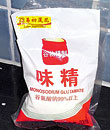 Pro-inflammatory Agent: Some artificial food additives like aspartame and monosodium glutamate (MSG) reportedly trigger inflammatory responses, especially in people who are already suffering from inflammatory conditions such as rheumatoid arthritis.Find them in: Only packaged foods contain artificial food additives. If you need to buy them, read the labels carefully and weigh your risks. If you order Chinese takeaways, make sure you’ve the option to ask for no MSG. Otherwise, look elsewhere.Inflammation-dousing Substitute: Besides limiting the consumption of processed foods, use anti-inflammatory herbs, spices or natural sweeteners to add flavor to your dishes instead of relying on food additives.
10. <Fill in the blank>
 Pro-inflammatory Agent: Why is this blank? Because it is meant for you to fill it with the type of food that you’re allergic or sensitive to. Many people are sensitive to certain food and yet are unaware about it. Because symptoms caused by food intolerance or allergy can be delayed and when they do appear, they are mistaken as common ailments such as tiredness and headaches. But repeated, long-term exposure to food that irritates can cause inflammation and lead to chronic diseases.Find them in: Common food allergens are gluten, milk, nuts, eggs and nightshade vegetables. Contrary to common belief, it is possible to develop an allergy to the foods that you eat often.Inflammation-dousing Substitute: If you suspect that a particular food may be responsible for your food intolerant response, try avoiding it completely for about two weeks and monitor your reaction. At the end of the abstinence period, re-introduce the food back into your diet. If you’re in fact incompatible with it, you should be able to notice the difference in how you feel easily.(source)


